The Rescue Story of Chickens – Chickens

  • Name

    Chickens
  • Species

    Chickens
  • Condition at Rescue

    Healthy when acquired for sanctuary care.
  • Disposition

    Skittish unless there’s corn
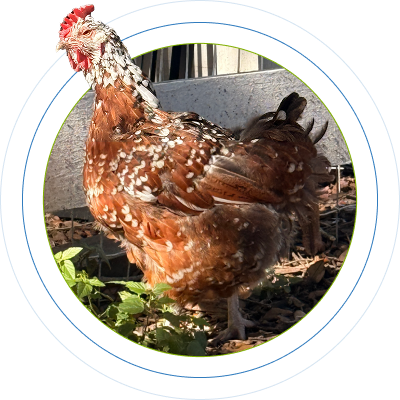
Chickens

Rescued On

2012 and on

Rescue Location

Client surrenders and hatchings

Current Status

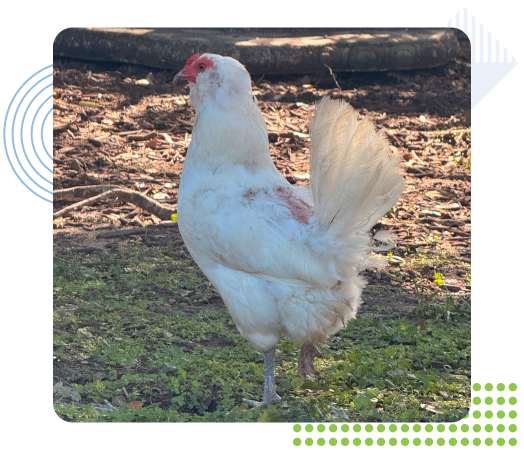
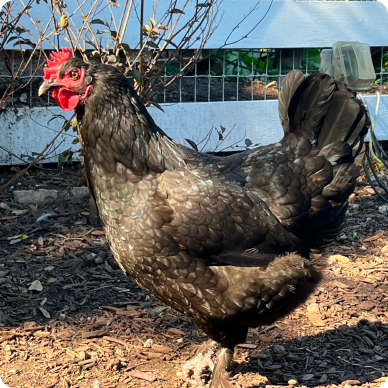
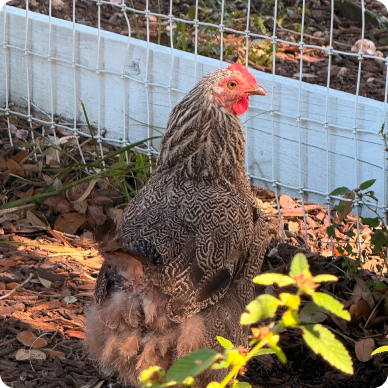
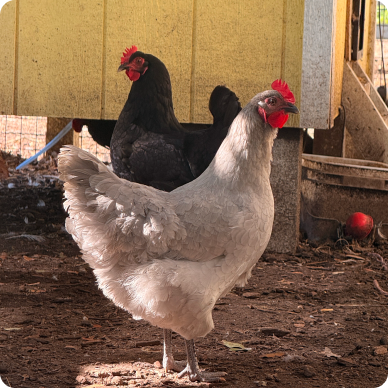
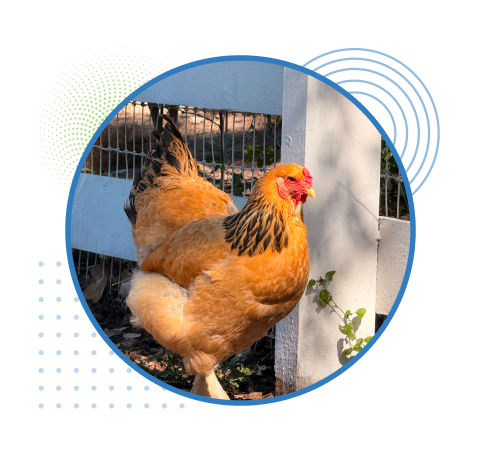
Living freely within the sanctuary and actively foraging, socializing, and producing eggs.
Rescue Background Story

The chickens were brought to the sanctuary with the goal of providing them with a safe and comfortable life away from the conditions often experienced in commercial farming or small-scale production environments.

Since arriving, they have enjoyed a lifestyle centered around freedom and natural behaviors. The sanctuary allows them to roam widely across the property, explore different areas, and interact with other animals. This open environment provides them with both safety and enrichment while allowing them to live much more naturally.

When you donate or sponsor, you become part of their rescue journey — from survival to sanctuary.

Your kindness gives them the second chance they deserve.

Daily Care & Feeding Details

Morning Feeding

Time: Morning 7 AM

Feed Mix:

  • Layer crumbles, scratch grain, fresh corn, and dried mealworms.
  • This combination provides a balanced diet to support egg production, feather health, and overall nutrition.
  • Chickens also naturally forage for insects, seeds, and vegetation throughout the day.
Evening Feeding

Time: Evening feeding occurs naturally through continued foraging and access to leftover feed.

Feed Mix:

  • Remaining grain mix and natural foraging within the sanctuary grounds.
  • Additional corn or grain may be provided depending on seasonal needs.
Fencing & Enclosure

The chickens are housed in four coops within the sanctuary:

  • Red Coop
  • Blue Coop
  • Green Coop
  • Yellow Coop

They are free-roaming and often explore many parts of the sanctuary, including nearby pastures used by other animals. Despite their roaming habits, they instinctively return to their coops for safety and roosting.

The coops provide shelter from weather, protection from predators, and safe nesting areas for egg laying.

Water Facilities
  • Fresh water is provided in containers that are rinsed and replaced daily to prevent contamination and dehydration.
  • Multiple watering stations are placed near the coops and feeding areas to ensure easy access for the flock.
Hygiene & Cleaning
  • Chicken coops are inspected and cleaned regularly.
  • Bedding and nesting areas are maintained to support healthy egg production.
  • Feeding and watering stations are sanitized frequently.
  • Sanctuary staff monitor the flock to prevent disease spread and maintain a clean living environment.

Medical Care & Progress Updates

  • Routine health observations are conducted by sanctuary staff.
  • Balanced nutrition supports egg production and overall health.
  • Water sources and feeding areas are monitored daily.
  • Veterinary care is provided when needed through Safari Veterinary Care Centers.

Gallery