The Rescue Story of Fallow Deer – Fallow Deer

  • Name

    Fallow Deer
  • Species

    Fallow Deer
  • Condition at Rescue

    Healthy
  • Disposition

    Avoidant but curious
Fallow Deer

Rescued In

2025

Rescue Location

Acquired to prevent them from being sold to hunting leases

Current Status

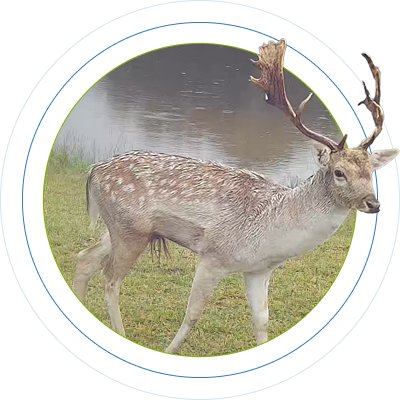
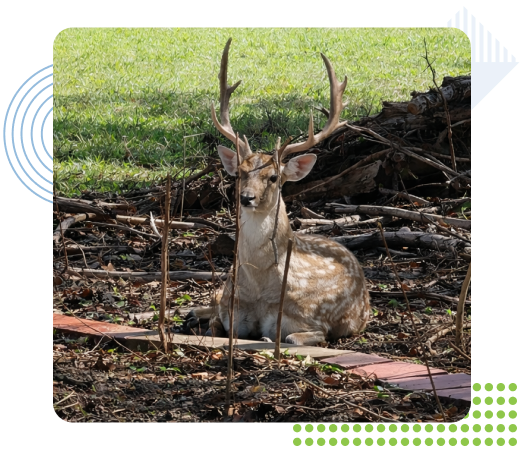
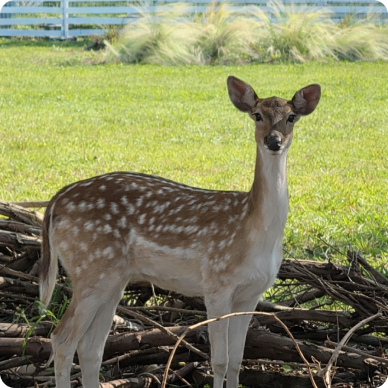
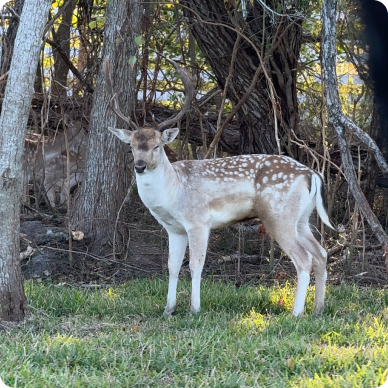
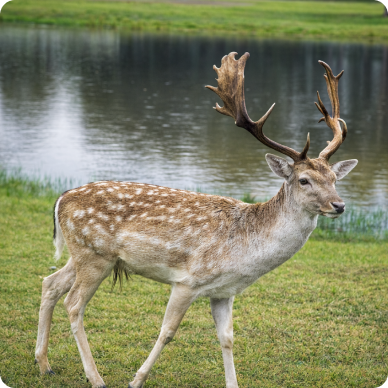
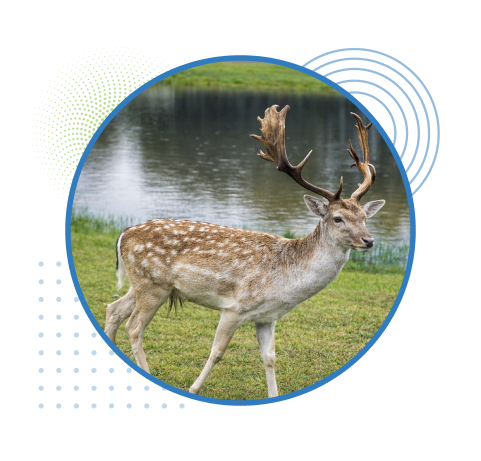
Living peacefully as a healthy herd within the sanctuary environment
Rescue Background Story

The fallow deer were acquired by the sanctuary to prevent them from being sold to hunting leases, where they would have faced an uncertain and potentially dangerous future. The sanctuary provided them with a safe habitat where they could live without the threat of hunting or relocation.

Since arriving, the deer have adapted well to the sanctuary environment. They live together as a herd and are able to roam freely across a large natural habitat. With access to forest cover, open pasture, and natural water sources, the herd now enjoys a peaceful and stable life.

When you donate or sponsor, you become part of their rescue journey — from survival to sanctuary.

Your kindness gives them the second chance they deserve.

Daily Care & Feeding Details

Morning Feeding

Time: 6:00 AM

Feed Mix:

  • The fallow deer naturally graze on grass, leaves, and tree vegetation throughout their habitat.
  • Their diet is supplemented with commercial deer feed.
  • Because the feed is typically formulated for white-tailed deer at 16% protein, the sanctuary provides hay stretch (11% protein) to maintain proper nutritional balance for exotic deer species.
  • As occasional treats, the deer enjoy peanuts and carrots.
  • This feeding routine supports healthy digestion and natural grazing behavior.
Evening Feeding

Time: Evening grazing continues naturally throughout the pasture and wooded areas.

Feed Mix:

  • Natural vegetation along with supplemental deer feed when necessary.
  • Seasonal feeding adjustments are made depending on pasture conditions.
Fencing & Enclosure

The fallow deer live in a large natural field enclosure that includes:

  • Open grazing areas
  • A forested section for shade and shelter
  • A pond for water and cooling

They share this habitat with blackbuck antelope, creating a diverse and natural herd environment. The deer often rest in the forested areas but are frequently seen grazing in the open field.

Sanctuary staff regularly inspect fencing and habitat features to ensure the enclosure remains secure and safe.

Water Facilities
  • The fallow deer have 24/7 access to a natural pond located within their enclosure.
  • They drink from the pond and occasionally gather nearby during warm weather.
  • Water quality and accessibility are monitored to ensure a safe and reliable water source.
Hygiene & Cleaning
  • Natural pasture environments allow the deer to maintain healthy living conditions.
  • Sanctuary staff monitor the enclosure for debris or hazards.
  • Feeding areas are checked regularly to ensure cleanliness.
  • Routine habitat maintenance helps support the health and wellbeing of the entire herd.

Medical Care & Progress Updates

  • One of the fallow deer once became entangled in a hose that wrapped tightly around his antlers.
  • Sanctuary staff used a tranquilizer dart to safely sedate the deer in order to remove the hose.
  • During the process, the dart accidentally struck near the jugular area due to sudden movement.
  • Thankfully, the deer recovered fully and suffered no long-term harm.
  • Today he remains a healthy buck who actively moves with and protects his herd.

Gallery